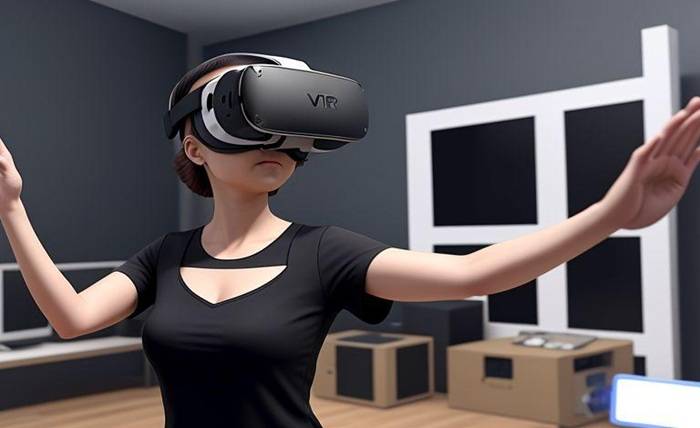
In the fast-changing tech world, the virtual reality company is using artificial intelligence (AI) to create exciting experiences. One interesting company is Replika, which focuses on emotional connections. The mix of VR and AI is changing how we engage with digital spaces and how we interact with computers. A key development is the creation of virtual friends that can talk and connect with users in these immersive spaces. These virtual friends mimic real human interactions, giving users companionship and emotional support in a digital world. Companies are also using AI to create VR games that offer emotional experiences, similar to Replika. This shows a wider trend toward making technology that is not just useful but also emotionally meaningful and focused on people.
The Rise of Virtual Companions
Virtual companions are AI avatars made to talk and connect with users in a friendly way. They can have conversations like humans, understand feelings, and provide comfort. People like virtual companions because they can adjust to the user’s mood and preferences. The goal is to create a digital friend that can have important conversations, offering a sense of connection and care. This idea is becoming more important as online interactions often lack the emotional depth of real-life conversations.
The emergence of virtual companions is part of a larger trend towards more personalized digital experiences. By integrating advanced AI algorithms, these companions can learn and evolve alongside the user, providing a unique, ever-changing interaction. This not only makes the digital experience more engaging but also more rewarding, as users feel understood and valued. The potential applications are vast, ranging from mental health support to educational tools, highlighting the versatility and importance of emotionally intelligent virtual companions in the modern digital landscape.
What Makes Replika Stand Out
Replika has set a benchmark for vr developers, demonstrating how emotional intelligence can enhance user interaction and create lasting connections. It uses AI to create a personalized chatbot that learns from user interactions. This learning capability allows Replika to evolve its responses and interactions, making each engagement more personalized and meaningful over time. Over time, Replika becomes more attuned to the user’s preferences and emotions, creating a unique virtual friendship. This relationship-building approach not only enhances user engagement but also fosters a sense of companionship and understanding, often missing in traditional digital interactions.
Replika has shown that virtual reality companies can make AI friends that understand feelings. By focusing on emotional intelligence, Replika has shown how AI can create strong and meaningful connections. This has inspired other developers to find new ways to add emotional intelligence to their digital experiences. Because of this, Replika is seen as a model for how AI can mimic real human emotions and interactions online.
Building Emotional Intelligence in VR Games
The integration of emotional intelligence in VR games is a game-changer. It shifts the focus from mere entertainment to creating experiences that resonate on a deeper emotional level. Developers are focusing on creating experiences that not only entertain but also engage users on an emotional level. By leveraging AI to understand and adapt to user emotions, VR games can offer more immersive and personalized experiences that captivate players in unprecedented ways. This approach not only enhances the gaming experience but also increases user retention and satisfaction, as players feel a genuine connection to the game world and its characters.
By analyzing user responses and adapting to their emotional states, AI can create dynamic and personalized experiences that resonate with players. This capability allows for more nuanced storytelling, where players’ choices and emotions directly influence the narrative and outcome. Such interactivity not only enriches the gaming experience but also encourages players to invest more emotionally in the game. As a result, VR games are becoming more than just a form of entertainment; they are evolving into platforms for emotional expression and exploration, offering players a safe space to explore their emotions and build meaningful connections.
The Role of AI in Enhancing VR Experiences
AI plays a crucial role in enhancing the emotional depth of artificial intelligence virtual reality games, enabling characters to exhibit realistic emotions and reactions. It enables characters within the game to exhibit realistic emotions and reactions, making interactions more authentic. This level of realism is essential for creating believable and engaging virtual worlds where users can lose themselves. This creates a more immersive experience, as users feel like they are interacting with entities that genuinely understand and respond to their emotions. The result is a more engaging and rewarding gaming experience that goes beyond the superficial to touch the emotional core of players.
AI’s ability to process and interpret vast amounts of data in real-time is another key factor in enhancing VR experiences. By analyzing player behavior and emotional responses, AI can tailor the game environment to better suit individual preferences and moods. This personalization not only makes the game more enjoyable but also more meaningful, as players feel that their unique experiences and emotions are being acknowledged and valued. As AI technology continues to advance, we can expect even more sophisticated and emotionally resonant VR experiences that push the boundaries of what is possible in digital interaction.
Challenges in Developing Emotionally Intelligent VR Games
While the potential is vast, developing emotionally intelligent VR games poses several challenges. One of the primary obstacles is creating AI algorithms that accurately interpret and respond to a wide range of human emotions. Human emotions are complex and nuanced, making it difficult for AI to fully capture their depth and variability. Additionally, ensuring that these interactions are seamless and natural within the VR environment requires advanced programming and design skills. Developers must find ways to integrate emotional intelligence into VR games without sacrificing performance or user experience.
Another significant challenge is the ethical considerations surrounding emotionally intelligent VR games. As these games become more adept at understanding and responding to human emotions, concerns about privacy and data security become increasingly important. Developers must ensure that the data collected from users is handled responsibly and ethically, with a focus on protecting user privacy. Furthermore, there is a need to consider the potential psychological impact of these games, as highly realistic interactions could blur the line between the virtual and real worlds. Addressing these challenges is crucial to ensuring the responsible development and deployment of emotionally intelligent VR games.
The Intersection of AI, VR, and Emotional Engagement
The intersection of AI, VR, and emotional engagement is reshaping the landscape of digital interactions. This convergence is leading to the creation of more immersive and emotionally resonant digital experiences that can have a profound impact on users. Virtual reality companies are recognizing the value of creating emotionally engaging experiences that can lead to higher user satisfaction and retention. By focusing on emotional engagement, these companies are not only enhancing the user experience but also driving innovation in the field of digital interaction.
This intersection is also opening up new possibilities for the application of AI and VR technologies. As developers continue to explore the potential of emotionally intelligent interactions, we can expect to see a wide range of new applications that leverage the power of AI-driven emotions. From entertainment to education and healthcare, the potential applications are vast and varied, highlighting the transformative impact of this technology on various industries.
Benefits of Emotional Engagement in VR
Emotional engagement in VR has numerous benefits. It enhances user immersion, making experiences more memorable and impactful. By creating emotionally resonant experiences, VR can capture users’ attention and keep them engaged for longer periods. It also fosters a sense of connection and empathy, which can be particularly beneficial in applications such as mental health support and education. Emotional engagement can help users feel more connected to the digital environment, leading to a more fulfilling and rewarding experience.
Virtual reality (VR) can make learning and therapy better. In education, avatars that respond to feelings can help make learning more engaging and tailored to each student’s needs. In mental health, VR offers a safe place for people to explore their emotions and deal with challenges. Using emotional connections in VR can change how we interact with digital spaces and with each other.
Applications Beyond Gaming
While gaming is a significant area of focus, the applications of emotionally intelligent VR extend beyond entertainment. In healthcare, for example, virtual companions can provide support and companionship to patients, improving their overall well-being. These companions can help alleviate feelings of loneliness and isolation, offering a sense of comfort and connection in difficult times. In education, emotionally responsive avatars can create more engaging and personalized learning environments. By adapting to individual learning styles and emotional states, these avatars can enhance the learning experience and improve educational outcomes.
The potential applications of emotionally intelligent VR are vast and varied, highlighting the versatility and impact of this technology. In addition to healthcare and education, VR can be used in fields such as training and simulation, where emotionally responsive interactions can enhance the realism and effectiveness of training programs. By leveraging the power of AI-driven emotions, VR has the potential to transform a wide range of industries and improve the way we interact with digital environments.
The Future of AI and VR Collaboration
The collaboration between AI and VR is set to continue evolving, with virtual companions becoming more sophisticated and emotionally intelligent. As technology advances, we can expect to see even more innovative applications that leverage the power of AI-driven emotions in VR. This collaboration is not only transforming the way we interact with digital environments but also redefining the boundaries of human-computer interaction.
As AI and VR technologies continue to develop, we can expect to see a wide range of new applications that push the boundaries of what is possible in digital interaction. From entertainment to education and healthcare, the potential applications are vast and varied, highlighting the transformative impact of this technology on various industries. As virtual companions become more advanced, they will play an increasingly important role in our digital lives, providing support, companionship, and engagement like never before.
Opportunities for VR Developers and VR Companies
For VR developers and VR companies, this intersection presents exciting opportunities. By harnessing the capabilities of AI, developers can create more engaging and immersive experiences that push the boundaries of what is possible in virtual reality. This not only opens up new avenues for creativity but also positions companies at the forefront of technological innovation. By focusing on emotional intelligence and user engagement, developers can create experiences that are both meaningful and impactful.
The potential for growth and innovation in this field is immense, with new opportunities emerging as technology continues to evolve. By staying at the forefront of AI and VR collaboration, developers and companies can drive innovation and create new experiences that captivate and engage users. This not only benefits the companies and developers involved but also has the potential to transform the way we interact with digital environments and each other.
Ethical Considerations in AI and VR Development
As with any technological advancement, the development of AI-driven virtual companions raises ethical considerations. It is essential to ensure that these technologies are used responsibly, with a focus on user privacy and data security. Developers must also consider the potential psychological impact of creating highly realistic virtual interactions. By addressing these ethical considerations, developers can ensure that their technologies enhance the user experience without compromising user safety or well-being.
In addition to privacy and security concerns, there is also the need to consider the potential impact of these technologies on mental health and well-being. Highly realistic virtual interactions could blur the line between the virtual and real worlds, leading to potential psychological challenges. By taking a responsible and ethical approach to development, developers can ensure that their technologies are used in a way that benefits users and enhances their lives.
Conclusion
The fusion of AI and VR in creating emotionally engaging virtual companions is an exciting frontier in technology. By building on the success of platforms like Replika, virtual reality companies and R developers have the opportunity to redefine digital interactions. As we move forward, the challenge will be to balance innovation with ethical responsibility, ensuring that these advancements enhance our lives in meaningful ways. The potential for growth and innovation in this field is immense, and with the right approach, virtual companions can become an integral part of our digital lives.
In conclusion, the journey of integrating artificial intelligence into virtual reality to create emotionally intelligent experiences is just beginning. The potential is vast, and with the right approach, virtual companions can become an integral part of our digital lives, providing support, companionship, and engagement like never before. By focusing on emotional intelligence and user engagement, developers and companies can create experiences that are both meaningful and impactful, transforming the way we interact with digital environments and each other. As we continue to explore the possibilities of AI and VR collaboration, we are paving the way for a future where technology enhances our lives in profound and meaningful ways.